European Automotive R&D: AI Accelerates Development as Battery Supply Limits Production
European carmakers are investing heavily in electric vehicles, software and artificial intelligence. But this week’s developments show that technology alone is not enough. Vehicle programmes now depend on development speed, battery availability, manufacturing readiness and cost control working together.
Published
BMW plans to use AI across vehicle development
BMW announced that artificial intelligence will support its development process—from initial technical requirements through testing and final release.
The company is also moving from the idea of a software-defined vehicle towards what it calls an “AI-defined vehicle.” This means driving assistance, infotainment and comfort functions should interact more intelligently instead of operating as separate systems.
BMW plans to introduce new Level 2++ driving assistance in Europe in 2027. This is advanced assisted driving, but the driver remains responsible.
For engineering teams, the important question is not simply whether AI can save time. They must also prove:
- Which data was used
- How AI-generated results were checked
- Who approved the final decision
- Whether safety and regulatory requirements remain traceable
AI may accelerate routine work, simulations and testing. Final engineering responsibility, however, still stays with people.
Gen6 battery production starts in Bavaria
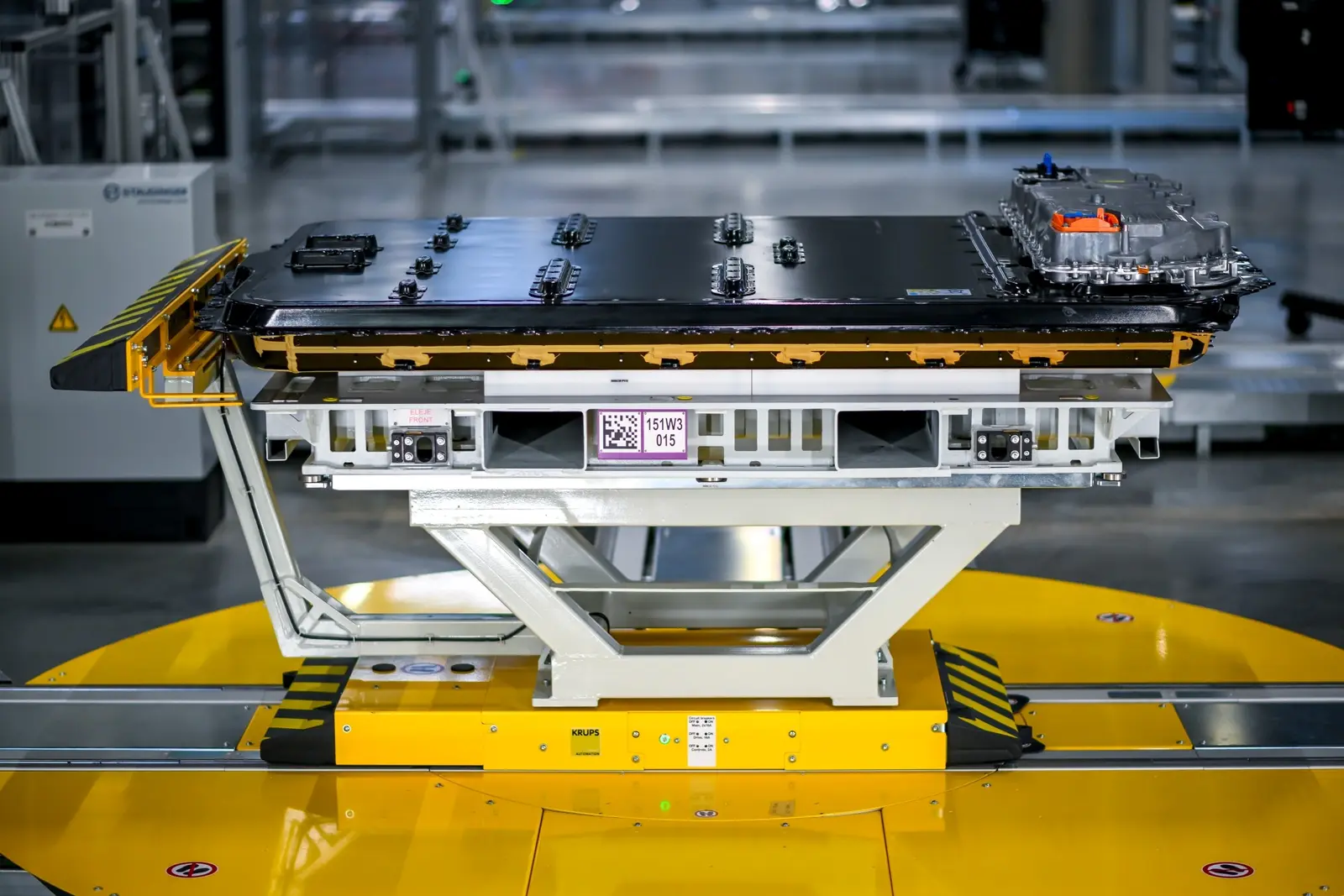
BMW has officially started series production at its new battery plant in Irlbach-Straßkirchen.
The company invested around €1 billion in the facility, which will supply sixth-generation high-voltage batteries for Neue Klasse vehicles produced in Germany.
The plant is already working in two shifts. BMW says this is because demand for Neue Klasse models is stronger than originally expected.
The new battery is not simply installed beneath the vehicle. Its housing becomes part of the vehicle structure through BMW’s “pack-to-open-body” concept.
That creates closer technical connections between:
- Battery development
- Vehicle body engineering
- Crash safety
- Manufacturing
- Repairability
BMW is investing approximately €2 billion across its German production network to prepare for the next-generation 3 Series.
Battery shortages interrupt Stellantis production
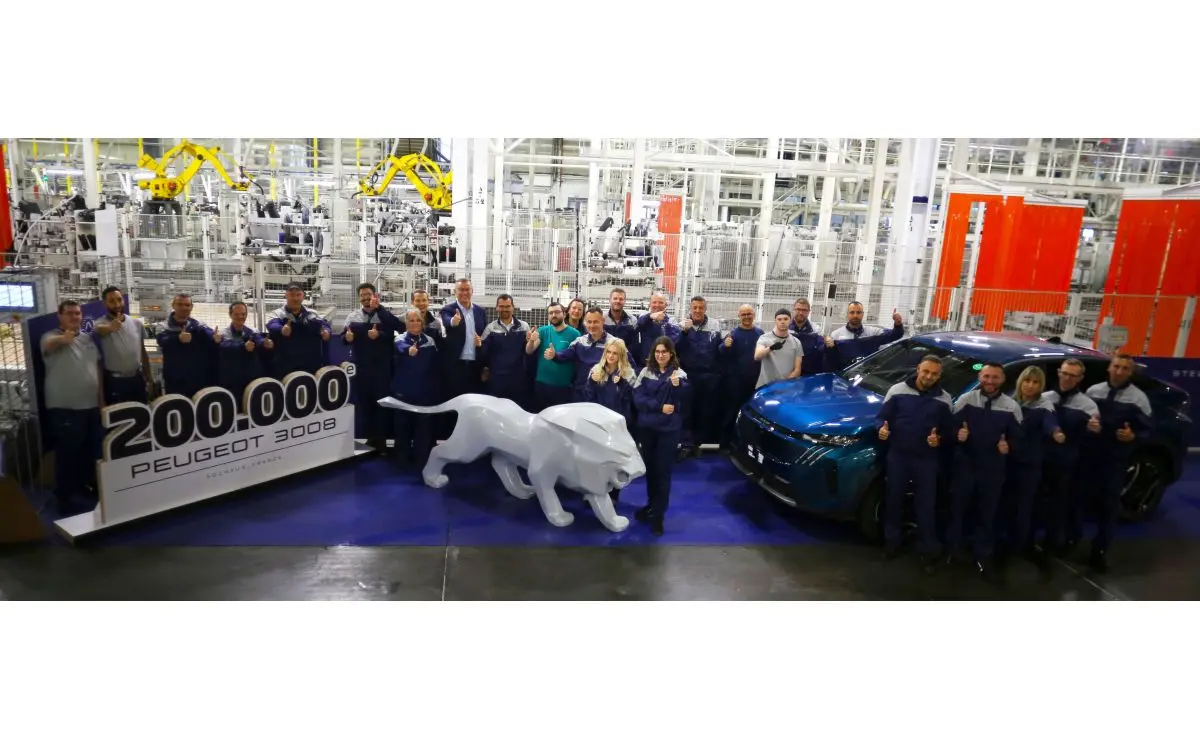
While BMW is expanding battery production, Stellantis is facing a supply bottleneck.
The company will temporarily stop production at its Sochaux and Rennes plants in France because it cannot obtain enough long-range batteries for models including the Peugeot 3008, Peugeot 5008 and Citroën C5 Aircross.
The important point is that customer demand—especially from fleet buyers—is strong. Production is being limited by battery availability rather than weak orders.
This shows why vehicle product planning must include realistic assumptions about supplier ramp-up, production yield and battery allocation. A technically ready vehicle cannot reach customers if one critical variant depends on an immature supply chain.
Europe’s battery-material problem remains unresolved
Norwegian synthetic-graphite producer Vianode is seeking a strategic partner, investor or possible buyer to finance its expansion.
Graphite is a critical battery material, and China dominates global battery-grade supply. Europe wants to reduce this dependency, but local projects require large investments before they can reach competitive scale.
The technical capability may exist. The harder question is whether European battery-material companies can secure enough capital and long-term customer commitments.
My view from automotive product development
From my experience in automotive product development, AI itself will not be the biggest competitive advantage. The real advantage will come from connecting faster development with proper validation, supplier readiness and stable manufacturing.
AI can analyse requirements, support simulations and reduce repetitive engineering work. But if the results are not traceable—or if one critical component such as a battery is unavailable—the vehicle still cannot reach the customer.
For product managers and engineering leaders, development speed is therefore only useful when the supply chain and production system can move at the same speed. BMW and Stellantis show both sides of this reality in the same week.
What automotive professionals should watch
The industry is moving beyond individual product innovations. Competitive advantage will increasingly depend on how well companies connect software, batteries, suppliers and manufacturing.
Three points deserve closer attention:
- How OEMs validate and approve AI-supported engineering work
- Whether BMW can maintain quality during its rapid Gen6 battery ramp-up
- How quickly ACC can resolve the battery shortage affecting Stellantis production
No major new EU safety regulation, automotive-seating development or production-ready materials breakthrough was confirmed this week.
Sources
- BMW Group: AI-based innovations and the AI-defined vehicle — 30 September 2026
- BMW Group: Around €2 billion for new 3 Series production — 30 September 2026
- BMW Group: Series production starts at Irlbach-Straßkirchen — 1 October 2026
- Reuters: Stellantis to pause French production over battery shortage — 29 September 2026
- Reuters: Vianode explores a strategic partnership or sale — 30 September 2026
Watch the link between engineering speed and industrial readiness. AI can shorten development work, but batteries, supplier capacity and validated release decisions still determine whether a programme reaches production.
Browse more industry updates →Weekly industry update covering 26 September–3 October 2026. The analysis reflects information confirmed by the linked sources at publication time.
Join the conversation
Loading likes and comments…